
Last Shelter: Survival
Long Tech Network LimitedStrategy
4.0114.06K Reviews
- Version
- 26.804.1
- Installs
- 50.00M
- Age Rating
- Teen
Screenshots
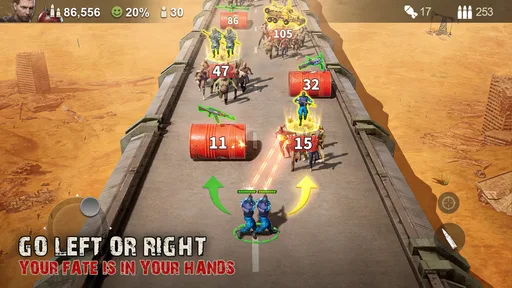
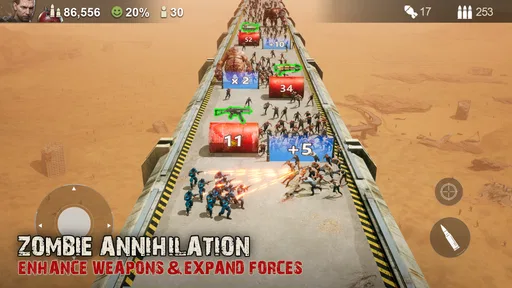
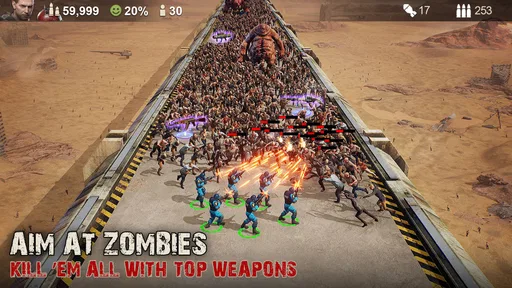
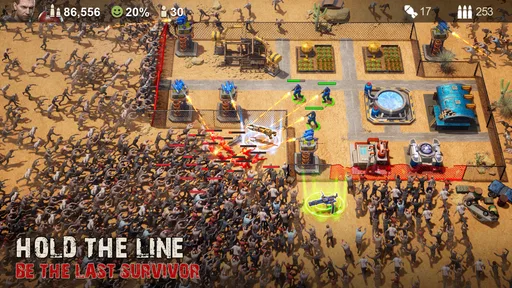
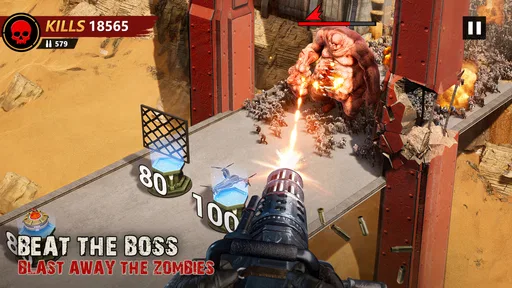
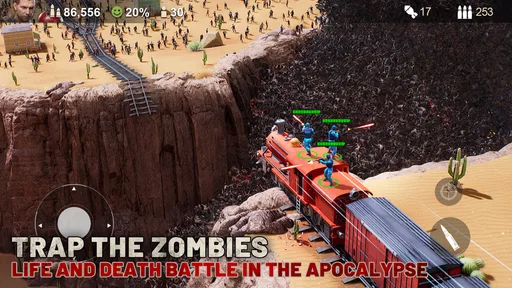
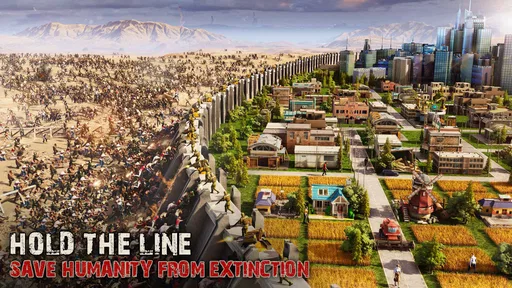

Our Review of Last Shelter: Survival
 Analysis by Appyee
I enjoy strategy games most when a few small decisions gradually add up to a place that feels like my own. That is the part of Last Shelter: Survival I find easiest to settle into: I begin with a vulnerable settlement and spend my time deciding what it needs next, while the threat of a zombie-ravaged world gives those choices a clear purpose. It is a free strategy game from Long Tech Network Limited, rated Teen, and it suits players who like building and planning as much as fighting.
The central appeal is not simply that the setting is bleak; it is that survival turns ordinary management into a series of priorities. Do I put effort into improving the settlement, prepare troops, or make sure the resources to keep going are available? Those questions give a session direction even when I only have time for a quick check-in. The game has a 4.0 average from around 1.6 million ratings, and its scale is easy to understand: it has passed 10 million installs. That audience does not make it right for everyone, but it suggests there is plenty of company for players who enjoy this kind of ongoing strategy.
Why the settlement is the main attraction
The base-building loop is the capability that gives the game its shape. I am not just watching a story unfold; I am choosing how a settlement develops and what to prioritize within it. Buildings, resources, and troop preparation all compete for attention, so a decision that looks minor at first can affect what I am ready to do next. The useful skill is learning to plan around needs rather than upgrade whatever catches the eye.
That makes the game different from a more direct action game, where the main question is usually how to handle the next encounter. Here, I find myself thinking about the state of the settlement before I think about a fight. If I am short on a resource, or have left development out of balance, the consequences can show up later. It is a satisfying loop for players who like seeing a plan take form, but less appealing if they want every session to deliver immediate action.
How those choices play out in practice
When I open the game for a short visit, I can use that time to check what is developing and decide which task deserves attention next. In a longer session, I can think through how settlement growth connects to troop preparation and the challenges outside the base. This shift between brief planning and more involved play is a practical strength: I do not need every visit to feel like a major campaign, yet there is a larger strategy to return to.
One tip I would give a new player is to pause before committing to an upgrade and ask what problem it solves. If the immediate goal is to make the base more capable, an upgrade that supports that goal may be more useful than spreading effort across several unrelated improvements. If I am preparing for conflict, I would think about the army and the settlement together rather than treating them as separate systems. That small habit makes choices feel deliberate and helps keep progression from becoming a checklist.
The learning curve also asks for patience. The tutorial introduces the basics, but the number of things competing for attention grows quickly. I would not expect to understand every consequence on the first visit. Instead, I would learn the routine in stages: get comfortable with the settlement, notice which resources and buildings seem to hold up progress, and then use that understanding to make more ambitious plans. That is more enjoyable than trying to optimize everything immediately.
Alliances turn a solo base into a shared plan
The alliance system changes the feel of the experience. I can make decisions for my own settlement, but other players add a social layer through coordination, shared goals, and strategy conversations. That can make the world feel less like a solitary management exercise. It also means that the game is a better fit for someone willing to interact with other players than for someone who wants a purely self-contained single-player routine.
For a newcomer, I would treat joining an alliance as a way to understand the social side rather than assuming it is just another menu choice. A group can make it easier to feel part of the larger game, but it also introduces other people’s schedules and priorities into the experience. If I want a relaxed, personal pace, I should be comfortable setting boundaries around how much I participate. If I enjoy coordinating and discussing plans, the alliance element is one of the more distinctive reasons to stay.
The Apocalyptic Adventure Begins
First off, the world of Last Shelter: Survival is nothing short of a chaotic masterpiece. Imagine a landscape ravaged by zombies and desperate survivors trying to make a life out of the ruins. You start off as the leader of a small settlement, and your mission is to expand and protect it from both the undead and other players. The setting is eerily captivating, pulling you in with its detailed graphics and atmospheric soundtracks.
Managing your base is the backbone of the game. You'll be balancing resources, building facilities, and training troops. The game does a fantastic job of easing you into this complexity with a decent tutorial, but it quickly ramps up, challenging your strategic prowess. And trust me, there’s nothing like the satisfaction of seeing your base grow from a measly camp to a fortified city.
Strategic Gameplay at Its Core
Strategy is the name of the game here. Whether you’re deciding which building to upgrade or which enemy alliance to wage war against, every decision counts. The game features a plethora of buildings, each with its unique upgrades and functions. You’ll need to think ahead, plan your resource allocation, and sometimes, make tough calls on what to prioritize.
One of the standout features is the alliance system. Joining an alliance isn't just a side option; it's a crucial part of surviving in this harsh environment. You’ll find yourself coordinating with other players for joint attacks, sharing resources, or simply having a chat about strategies. It adds a social element that makes the game more engaging and less of a solitary experience.
The Thrill of Combat
Let's talk about combat because, honestly, it's a blast. The game offers various modes of battle, from PvP to epic zombie showdowns. Each unit type has strengths and weaknesses, so building a balanced army is key. Deploying your troops strategically can mean the difference between a crushing defeat and a glorious victory.
The animations and graphics during battles are surprisingly good for a mobile game. Watching your troops clash with zombies or other players in a flurry of action is visually satisfying. Plus, the adrenaline rush you get from a tight battle is genuinely exhilarating.
Combat is where I would be careful not to confuse visual excitement with a guarantee of control: preparation matters, and the outcome depends on decisions made before troops meet. I find it more satisfying when I approach a fight with a reason for choosing my forces, rather than treating every encounter as a quick spectacle. If what I want is a game focused on direct, hands-on action, a conventional action title will probably suit me better. Here the battles are part of a broader strategy loop, and that context is the point.
Resource Management and Challenges
Resources are the lifeblood of your settlement. You’ll be gathering food, fuel, and other essentials to keep everything running smoothly. The game throws various challenges your way, from zombie hordes to rival player raids, keeping you on your toes. It’s a delicate balance of defense and expansion, with a constant need to adapt to new threats.
The developers have done a great job in ensuring that there are always tasks to complete. Whether it's daily missions, events, or just the ongoing development of your base, there's always something to work towards. This constant sense of progression is what keeps players coming back for more.
A realistic use case is checking in during a break, choosing one settlement priority, and leaving the more involved planning for later. That approach works well if I enjoy gradual progress and do not expect each short session to deliver a complete arc. On a busy day, I can still have a clear purpose—review what is waiting, decide what matters most, and return when I have more time. The trade-off is that a game built around ongoing development can make progress feel slow if I only want occasional, self-contained play.
What to expect from the free-to-play model
The game is free to start, but it includes in-app purchases ranging from $0.49 to $179.99 per item. I would keep that in mind before getting invested, especially if I prefer games where the full experience has a single upfront cost. A useful personal rule is to decide before playing whether I am comfortable spending anything at all, then stick to that limit rather than treating a tempting purchase as necessary to solve a planning problem.
That is not a reason to avoid the game outright, but it changes what kind of player will be happiest with it. If I can enjoy gradual development without needing every step to happen immediately, the free entry point is appealing. If I dislike purchase prompts or feel pressured when progression takes time, I may be more comfortable with a paid strategy game that does not use the same ongoing purchase structure. The right choice depends on how I respond to that friction, not just on whether I like zombies.
Who will enjoy this kind of survival strategy
I would recommend it most to players who like long-term base management, making trade-offs, and having a social option through alliances. It also works for someone who enjoys alternating between a quiet planning phase and the tension of preparing for combat. The current version is 26.202.1, and it runs on Android 5.0 or later, so the minimum system requirement is modest; whether it feels comfortable on a particular device is still something I would judge in practice.
I would skip it if I want a tightly scripted campaign, a game that can be finished in a few sittings, or action that does not ask me to think about development between battles. It is also a poor match if I strongly prefer playing without interaction with other people, since alliances are presented as an important part of surviving. For those preferences, a single-player strategy game or a more self-contained action game is likely a better alternative than trying to force this one into the wrong routine.
Final Thoughts
Overall, Last Shelter: Survival offers a rich and immersive experience that combines strategy, social interaction, and intense combat. The game is well-designed with a balance between complexity and accessibility, making it appealing to both seasoned strategists and newcomers alike.
If you're looking for a game that will keep you engaged with its ever-changing dynamics and strategic depth, then give Last Shelter: Survival a shot. Just be prepared to lose track of time as you build, fight, and survive in this thrilling apocalyptic world. Happy surviving!
My practical advice is to start with the settlement loop and see whether making steady, connected decisions is enjoyable before committing to its social and combat sides. If that planning feels rewarding, the game has room to become a regular mobile strategy habit. If it feels like a queue of obligations, there is no need to push through: the same survival theme can be enjoyed in a more focused game with less emphasis on ongoing management. For me, the appeal here is precisely that the base gives every other choice a consequence.
Verdict
Strengths of Last Shelter: Survival
- Engaging strategic gameplay
- Diverse hero characters
- Frequent events and updates
- Strong social community
- Impressive graphics
Limitations of Last Shelter: Survival
- Resource management can be tedious
- Slow progression without purchases
- Occasional server issues
- Complex learning curve
- Battery drain on older devices
Other Releases by Long Tech Network Limited
View All
Rise of Castles: Ice and Fire
Strategy4.4
Similar Picks in This Category
View All
Clash of Clans
Supercell4.5

Plants vs. Zombies™
ELECTRONIC ARTS3.7

Lords Mobile: Kingdom Wars
IGG.COM4.5

Clash Royale
Supercell4.4

State.io — Conquer the World
CASUAL AZUR GAMES4.1

Car Driving School : Car Games
Spark Game Studios3.9
Frequently Asked Questions
What is the main objective of Last Shelter: Survival?
Last Shelter: Survival is a strategy-based mobile game where players are tasked with building and managing a base in a post-apocalyptic world overrun by zombies. The main objective is to survive by gathering resources, forming alliances, and defending against both zombies and other players. Players must strategize effectively to expand their territory and enhance their base's defenses.
Is Last Shelter: Survival free to play?
Yes, Last Shelter: Survival is free to download and play. However, it offers in-app purchases that can enhance gameplay. These purchases range from resource packs to special items that can accelerate building and research times. While spending money can provide advantages, it is not necessary to enjoy and progress in the game.
What platforms is Last Shelter: Survival available on?
Last Shelter: Survival is available for both Android and iOS devices. Players can download the game from the Google Play Store for Android devices and the Apple App Store for iOS devices. The game requires a stable internet connection to play, as it involves real-time strategy and interactions with other players.
How can I protect my base from attacks in Last Shelter: Survival?
To protect your base in Last Shelter: Survival, you should focus on upgrading your defensive structures such as walls and turrets. Forming alliances with other players can provide additional support during attacks. Regularly scouting and monitoring potential threats can also help in preparing for enemy invasions, ensuring your resources and progress are safeguarded.
Are there any social features in Last Shelter: Survival?
Yes, Last Shelter: Survival has several social features. Players can join alliances, which allow collaboration with others for mutual protection and resource sharing. The game also includes a chat system where players can communicate with alliance members or other players globally. These social elements are crucial for strategic planning and progression in the game.
Play our best games!


